
Explore Our Classes
Core Training Pathway
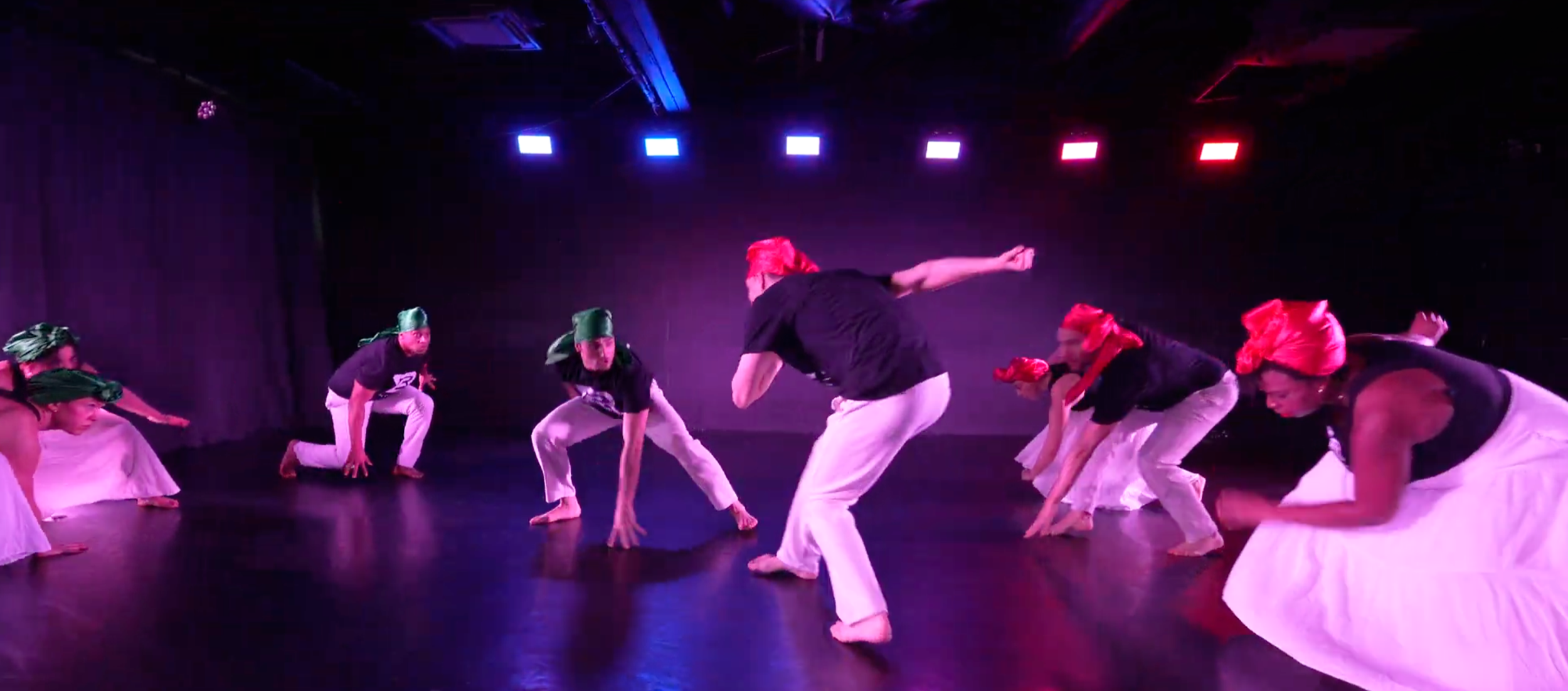
No Limit Foundations — Level 1
For dancers new to No Limit, strong beginners, returners, or anyone looking to rebuild solid foundations with clarity and confidence. The class focuses on salsa foundations, timing and coordination, body awareness, weight transfer, and confident movement. It is the primary entry point into the No Limit approach and prepares dancers for deeper training.
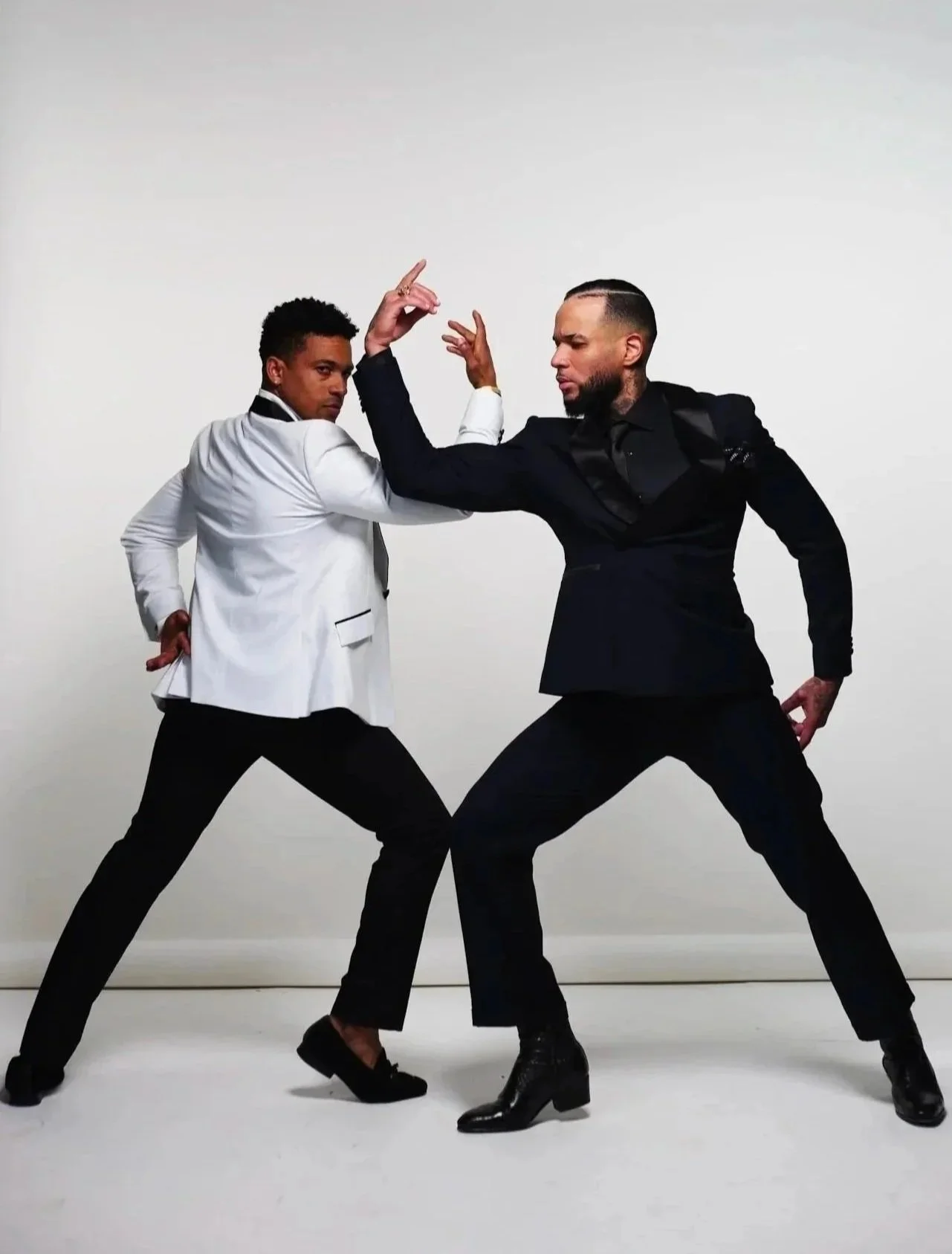
No Limit Bootcamp — Level 2 is for improvers and beyond — dancers who are comfortable with basic salsa and want to train with more depth, structure, and physical understanding. The focus is on body movement and grounding, rhythm and coordination, Afro-diasporic movement foundations, and applying movement into dance through structured routines used as a training tool. This is where most dancers train, and many advanced dancers continue at Level 2 to deepen and refine their foundations.
No Limit Bootcamp - Level 3 is advanced dancer training led by Edwar, centred on musicality, embodied movement, and artistic decision-making. Drawing from Afro-Cuban and Afro-contemporary movement, dancers apply technique through a fluid creative process rather than fixed choreography. Learning prioritises depth, observation, and integration over uniform outcomes, and is designed for experienced dancers ready to work with adaptability and intention.
No Limit Lab is where training is applied through pure salsa movement. Learning happens through a guided routine that runs over the month, allowing dancers to integrate technique, musicality, and movement through repetition and sustained practice. The Lab places strong emphasis on musical listening — dancing to clave, tumbao, phrasing, and structure — and on developing an embodied response.
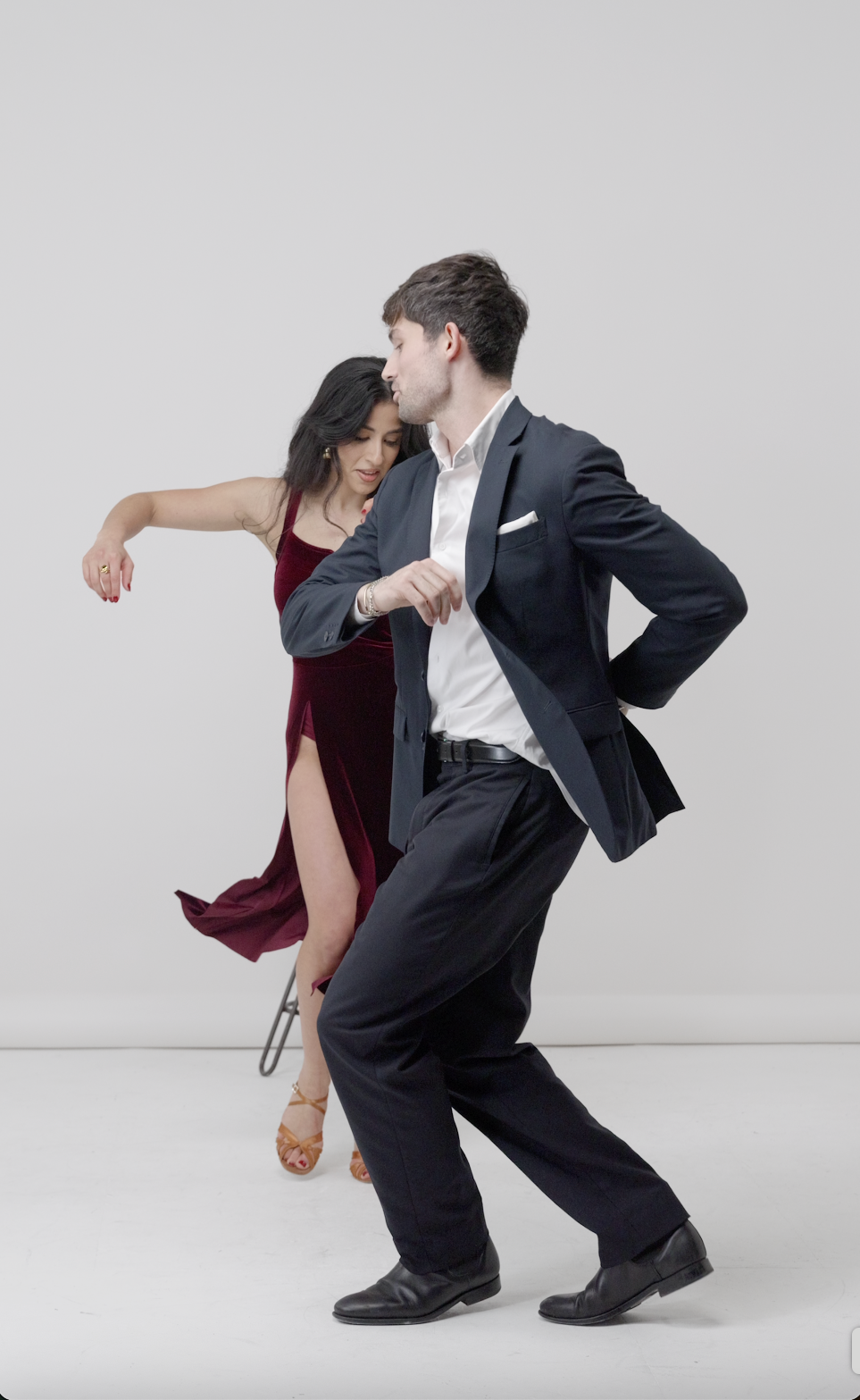
Ladies Salsa Styling is for dancers at Level 2 and above who want to develop confidence, expression, and clarity of movement. The focus is on body awareness, fluidity and control, presence, and personal style. This class complements the main training pathway and supports dancers in developing a confident, individual movement identity.
Commercial Reggaeton is a pop- up class focused on groove, musical response, and presence. Routine-based, music-led, and designed for dancers who enjoy playing with rhythm, texture, and attitude. Limited sessions.
Timing, coordination, body awareness, musical understanding, confidence in movement, and the ability to apply technique with intention.
From Our Students“No Limit completely changed the way I hear the music and move my body. It’s the first place where everything actually connects.”
Private Lessons and Choreography
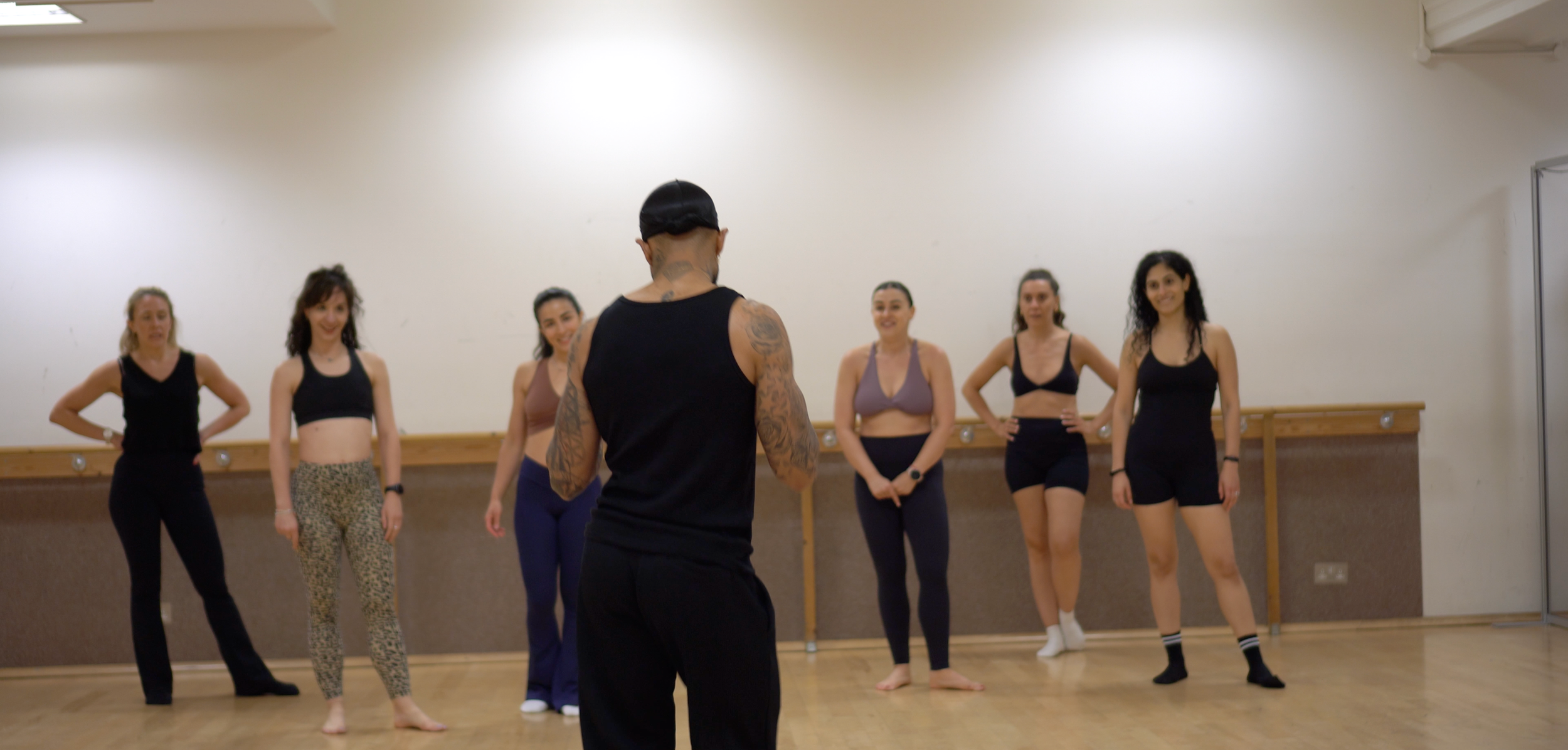
Private lessons at No Limit Academy are open to dancers at all stages, whether you are training regularly in group classes or working independently.
Sessions offer focused, one-to-one support tailored to your goals — from building foundations and confidence, to refining technique, musicality, or preparing choreography and performance material.
Private lessons are available with senior teachers, including Edwar Ramos and Maikel Mota, as well as with other academy teachers. We’ll help match you with the right teacher based on your experience, aims, and availability.
Private choreography and longer-term coaching are also available by enquiry.
Private lesson rates vary by teacher.
Private Lessons & Choreography — by enquiry
Meet Your Instructors
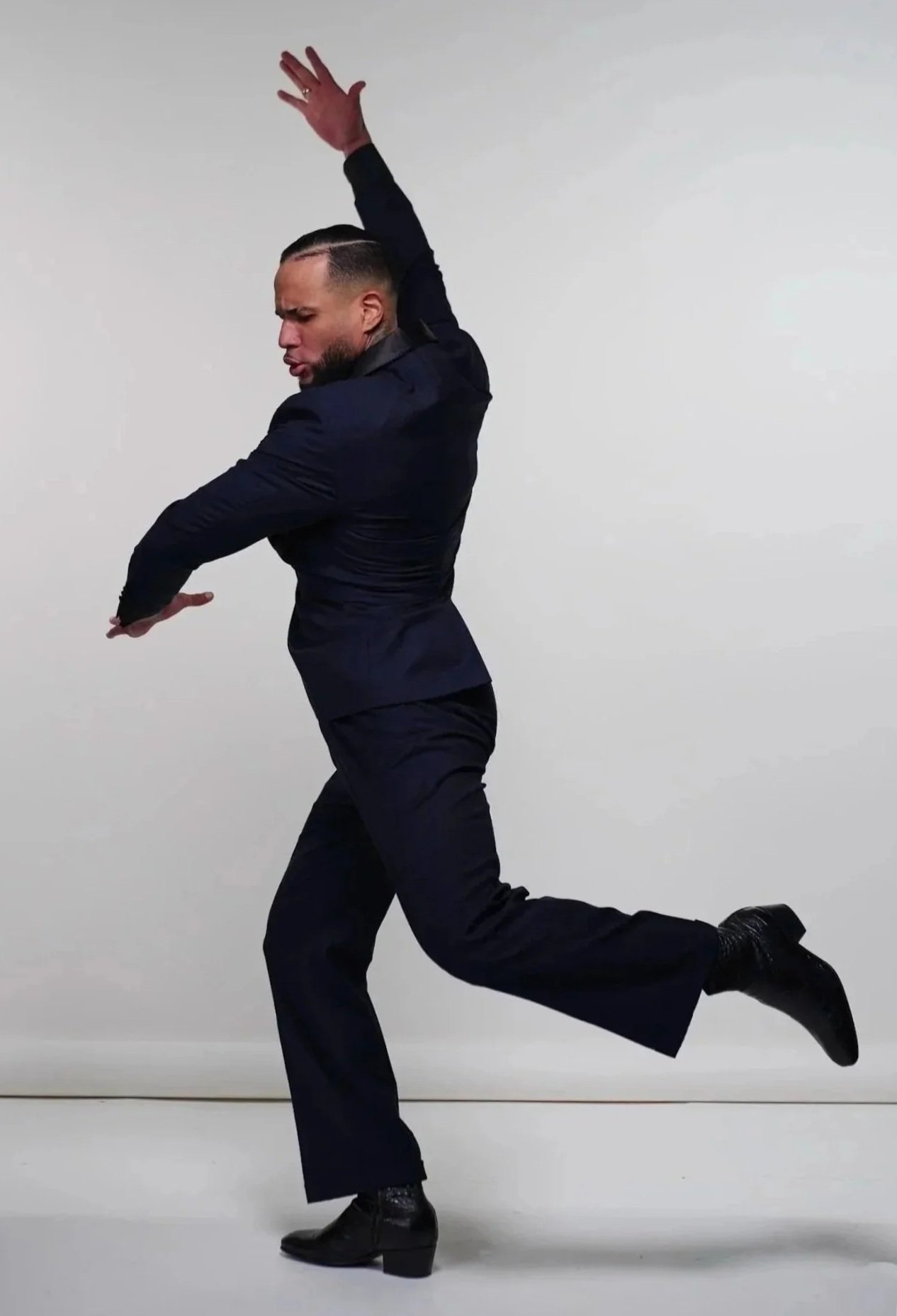


-
Founder & Artistic Director
Edwar Ramos is a dancer, educator, and artistic director known for his groove, musical intelligence, and unmistakable movement quality. Originally from the Dominican Republic, his relationship with dance started socially and instinctively, shaped by rhythm, street movement, and a natural connection to music.
That instinct was later sharpened through deep immersion in the international salsa scene. Edwar spent nearly two decades living and working in Italy, training, performing, and teaching within one of Europe’s most demanding salsa environments. There, his movement evolved into something precise and controlled, without ever losing flavour, individuality, or edge.
Now based in London, Edwar is the founder and artistic director of No Limit Academy. His work centres on timing, weight, rhythm, and intention — building dancers who move with clarity, confidence, and presence, and who understand style as a result of training, not decoration.
-
Co- founder & Instructor
Sara Eastwood is a co-founder of No Limit Academy and an integral part of its direction and development. With a long background in Latin dance, including teaching and running classes and schools, she brings experience and continuity to the academy.
At No Limit, Sara remains closely involved in training while also teaching. This ongoing engagement informs a grounded, practical approach in the studio, shaped by how dancers progress over time.
Alongside her teaching, Sara supports the organisation and delivery of programmes and events. She also leads the academy’s social presence and documentation, and is often behind the camera, shaping how the work and culture of No Limit are shared.
-
Co-founder & Instructor
Aleix Torras is a co-founder of No Limit Academy and plays an important role in how the academy functions and evolves. Coming from outside the dance world, he brings a clear, grounded perspective to how training is structured and how dancers move through the programmes.
At No Limit, Aleix trains consistently within the method and teaches across the academy. His approach is attentive and measured, focused on building clarity, confidence, and strong foundations, while supporting dancers at different stages of their development.
Alongside his work in the studio, Aleix supports the coordination of courses and events, helping ensure continuity and ease around the training experience for both students and instructors.
Your Questions, Answered-
Training at No Limit is rooted in contratiempo because it develops a deeper relationship with rhythm, phrasing, and musical structure. However, timing is not treated as fixed. Dancers are trained to listen and respond to the music, allowing emphasis and timing to shift naturally. This approach supports musicality and adaptability across all styles of salsa.
-
No.
Contratiempo is used as a training foundation, not a stylistic rule. It develops coordination, rhythmic clarity, and a deeper relationship with the structure of salsa music. From that base, dancers are encouraged to respond to the music itself rather than remain fixed to counts. This approach benefits dancers of all styles — on1, on2, linear, circular, social, or performance-based. -
Many dancers in London become highly proficient within a specific system, often focused on steps and technical execution. No Limit takes a different approach by placing equal importance on body movement, musical understanding, and personal expression. Technique is developed as a tool for deeper musical and physical awareness, not as an end point. This creates dancers who are more adaptable, expressive, and musically grounded across styles and contexts.
-
Because depth takes time. Training at No Limit is built around continuity, repetition, and integration rather than one-off experiences. Commitment allows dancers to fully engage with the process, build shared understanding in the room, and develop more meaningful progress over time.
-
No. The training supports social dancers, performers, teachers, and competitive dancers alike. Musicality and movement quality transfer across all contexts.
-
Dancers who enjoy depth and musical exploration, and who are open to challenge and long-term development rather than quick results.
-
Some classes are accessible as drop-ins, but regular attendance allows deeper integration and a more complete training experience.